
How Much Does It Cost to Install a Garage Door Opener in South KC?
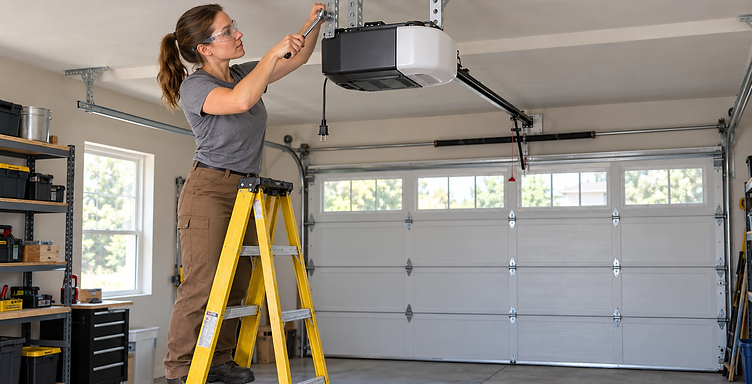
For an opener installation in the South Kansas City area, use roughly $250–$900 as an initial budget for equipment and installation.
Published local prices vary, so treat that as a planning range rather than a quote. It assumes the existing door is in usable condition. Door repairs, new electrical work, unusual mounting conditions, or premium equipment can push the total higher.
The number on the opener box is only part of the bill. Someone still has to remove the old unit, assemble and mount the replacement, connect the controls and safety sensors, set it up, and test it.
That last part takes more than pressing the remote once.
What changes the installation price?
An ordinary replacement is a different job from putting an opener on a door that has never had one. Existing brackets and wiring may help, but they need to be checked before anyone assumes they can stay.
In my experience, the condition of the door and whether an opener is already installed are two of the first things to look at. Then I check the mounting area, existing brackets, and wiring for the safety eyes near the bottom of the door.
Those details can change the scope.
| What needs to be checked | How it can affect the price |
|---|---|
| Existing garage door Binding, damaged parts, or poor balance may require separate door repairs before installation. | Binding, damaged parts, or poor balance may require separate door repairs before installation. |
| Door height | A taller door may need a model-specific rail extension or a different opener setup. |
| Mounting surface | Damaged framing, masonry, or missing support can add hardware and labor. |
| Existing opener and wiring | Removal, disposal, damaged sensor wiring, and incompatible components can add work. |
| Equipment and accessories | Battery backup, a keypad, extra remotes, and other features change the equipment cost. |
| Electrical supply | A new outlet or household wiring should be priced as separate electrical work. |
Wall conditions matter particularly with a wall-mounted unit. An uneven surface or masonry wall may need a different mounting approach than wood framing. With a ceiling-mounted opener, the overhead support and attachment points deserve the same attention.
An opener needs secure mounting to suitable structure. Drywall alone is not a mounting point.
Door height is another easy detail to miss. Some retail opener kits are supplied for 7-foot doors. An 8-foot door may need the matching extension kit. Measure before buying, and check the instructions for the exact model.
If you’re adding garage storage at the same time, plan both projects together. Leave room for the door through its full opening cycle, the opener rail, and access for service. Check vehicle clearance too. A storage rack that looks fine in an empty garage may be awkward once your SUV is parked underneath.
Which opener is worth paying for?
Start with what you want to improve. If the current opener wakes someone in the bedroom above the garage, noise matters. If you’re happy with how it operates and only need a replacement, you may not need every available feature.
| Option | When it makes sense | What to check before buying |
|---|---|---|
| Chain drive | Price is a priority and operating noise is less of a concern. | Door compatibility and the complete installed price. |
| Belt drive | You want quieter operation, especially near living space. | The door itself may still make noise; an opener will not fix worn or binding door parts. |
| Wall-mounted opener | You want to remove the overhead motor and rail from the ceiling area. | Compatibility with the door’s shaft, springs, track arrangement, and available side clearance. |
| Smart features | You want phone control or door-status notifications. | Wi-Fi coverage, current app features, subscriptions, and compatibility. |
| Battery backup | You want powered operation during an electrical outage. | Whether it is included and what the manufacturer’s operating limits are. |
A wall-mounted opener can make room for a better garage layout, but it is not a universal replacement. Check the door system before choosing one. The door and tracks will still need their operating space.
Don’t choose an opener by horsepower alone. Match the equipment to the manufacturer’s requirements for your door’s size, construction, and configuration.
A more powerful motor is not the cure for a door that is difficult to move.
Check the door before replacing the opener
An opener that strains, stops, or reverses does not automatically need replacement. The problem could be in the door, its balance, the safety sensors, or another component.
The springs counterbalance the door’s weight. The opener moves that balanced door along its path. If a spring is broken or the door binds, replacing the motor leaves the underlying problem in place.
If you see a damaged spring, loose cable, crooked door, or other obvious failure, stop operating it and call a garage-door technician. Don’t try to adjust spring tension or loosen the brackets connected to the spring system.
A door that won’t close because something is blocking a safety sensor is a different situation. Check for an obstruction and follow the manufacturer’s troubleshooting instructions before buying equipment. Never bypass the sensors to make the door work.
For a working but noisy opener, replacement can still be a reasonable upgrade. Just have the door checked so you know how much of the noise comes from the opener and how much comes from the door itself.
Get a quote that covers the whole job
Ask for the exact opener model and a written description of the work. “Install garage door opener” leaves too much open to interpretation.
The quote should say whether it includes:
- Removal and disposal of the existing opener.
- The correct rail, any extension kit, mounting hardware, and required door reinforcement.
- Safety sensors, wall control, and any necessary low-voltage wiring.
- Programming remotes and a keypad, plus vehicle-control or app setup if requested.
- Travel setup, belt or chain adjustment where required, and safety testing.
- Equipment and labor warranty terms, with additional work identified separately.
One thing I’ve learned is that remote programming is not always a quick final step. Different controls can require different setup procedures. If you want the buttons in your vehicle to work, mention that before the installation is booked.
Belt tension also needs to be set correctly. Hanging the opener and getting the door to move does not finish the installation.
If you’re buying the opener yourself, ask the installer to confirm compatibility first. Also find out who handles a defective unit and whether a return visit would cost extra. A low purchase price can lose its appeal if the equipment has to come back down.
Can you save money by installing it yourself?
Yes, a capable homeowner may be able to install a conventional retail opener on a sound, compatible door. You need safe ladder access, help handling the equipment, and the ability to follow the mounting, wiring, adjustment, and testing instructions.
The tools I use include a stud finder, level, tape measure, drill/driver, appropriate bits, and a socket set. The fasteners and brackets depend on the installation and the manufacturer’s requirements.
I would draw the DIY line sooner if blocking needs to be added, the mounting surface is masonry or another unfamiliar material, or the homeowner lacks the tools or someone to help. New electrical work is a reason to bring in an electrician.
Spring, cable, or balance problems belong with a trained garage-door technician.
DIY saves the installation charge, but compare that saving against the tools, additional materials, and time you’ll need. Get a labor-only quote before assuming the saving will be large.
Safety testing is part of either approach. Follow the opener’s manual for sensor placement and test both the photo-eye response and contact reversal. Chamberlain specifies monthly contact-reversal testing using a 2×4 laid flat under the door. If the door fails its required test, stop using the opener until the problem is corrected.
Before you buy
Measure the door, photograph the existing opener and mounting area, and decide what you actually want to improve. Then compare quotes for the same equipment and scope.
For an installation estimate from Wingman, send your ZIP code, door height, existing opener model, and photos of the mounting area. Mention whether you’re replacing a failed unit or upgrading for quieter operation, easier access, or a different garage layout. That gives us a useful starting point for reviewing the job.
WINGMAN SERVICES
Rather have Wingman do it?
Get a quote and let a pro handle it. Your weekend stays yours.